Halloween Boston Movies

Halloween Movies For Bostonians

Halloween movies are a central part of how many people experience the season, offering a wide range of tones and genres that can be tailored to different moods, settings, and audiences. Whether you’re hosting a party, planning a date night, or spending the evening alone, the right film can shape the entire atmosphere.

At the darker end of the spectrum are classic horror and slasher films, such as The Texas Chain Saw Massacre or Halloween. These films rely on tension, fear, and suspense, making them ideal for late-night viewing when the goal is to create a shared sense of unease. For a Halloween party, these might work best playing in the background or during a designated “watch hour,” as they can be intense. For a date night, they can encourage closeness and shared reactions, while for solo viewing they offer an immersive, atmospheric experience.

Supernatural and gothic horror films, like Crimson Peak or The Ritual, focus more on mood, setting, and emotional tension. These are perfect for creating a slow, immersive environment. They suit a quieter Halloween evening that are ideal for a date night or solo viewing where the emphasis is on atmosphere rather than shock.

For a lighter tone, horror-comedies such as Zombieland or The Babysitter blend scares with humor and energy. These are particularly effective at parties, where guests may not want to focus entirely on a screen. The humor keeps the mood social and relaxed, while still maintaining a Halloween feel.

Family-friendly and nostalgic films, like Goosebumps, offer a more accessible option. These are perfect for gatherings that include a wider range of ages or for early evening viewing before transitioning into something darker. They also work well for a cozy night in, where the goal is comfort and familiarity rather than intensity.

Finally, psychological and slow-burn horror, such as I Am the Pretty Thing That Lives in the House, offers a more introspective experience. These films are best suited for solo viewing or very quiet settings, where their subtlety and ambiguity can be fully appreciated.

Halloween movies are really less about the films themselves and more about how they’re used e.g., they can energize a party, create intimacy on a date, or provide a deeply personal, immersive experience when watched alone. Choosing the right genre allows you to shape not just what you watch, but how you experience Halloween itself.

To find the “best” Halloween Movies (on Amazon) we asked three of our team to select their top/favorite three Halloween Movies. These were then randomly selected and given to the others on our team to watch and write a short review of. The results are shown below. The movies aren’t listed in any particular order.
Top 9 Halloween Movies

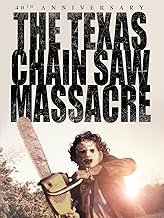
The Texas Chain Saw Massacre is one of the most influential horror films ever made, not because of what it shows, but because of what it suggests. Directed by Tobe Hooper, the film strips horror down to something raw, chaotic, and deeply unsettling.

The story follows a group of young travelers who fall victim to a reclusive and violent family in rural Texas. At the center is Leatherface, played by Gunnar Hansen, whose presence is both terrifying and strangely human. Rather than a calculated villain, he feels unpredictable, almost reactive, which adds to the film’s intensity.

What makes the film so effective is its atmosphere. Shot with a documentary-like style, it creates a sense of realism that blurs the line between fiction and something disturbingly plausible. The heat, isolation, and decay of the environment become part of the horror, making the setting feel oppressive and inescapable.

Despite its reputation, the film contains relatively little on-screen gore. Instead, it relies on sound, implication, and pacing to build tension. The result is a film that feels relentless and exhausting in the best possible way. Unpolished yet powerful, it remains a landmark in horror cinema; uncomfortable, visceral, and impossible to ignore.


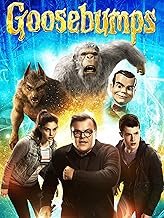
Goosebumps is a fun, fast-paced family adventure that successfully brings the spirit of R. L. Stine’s books to life. Directed by Rob Letterman, the film takes a clever meta approach, imagining Stine’s monsters escaping from their manuscripts into the real world.

At the center is Jack Black, who plays a fictionalized version of Stine with an energetic, slightly eccentric performance that carries much of the film’s charm. The story follows a group of teenagers who must contain a growing wave of creatures, from werewolves to ventriloquist dummies, as chaos spreads through their town.

The film balances humor, light scares, and adventure well, making it accessible to younger audiences while still entertaining for adults who grew up with the books. The pacing is brisk, rarely lingering too long, and the variety of monsters keeps things visually engaging.

While it doesn’t aim for deep storytelling, Goosebumps succeeds in capturing a sense of playful nostalgia. It embraces its premise fully, delivering a lively and imaginative experience that feels true to the tone of the original series. Something that is spooky enough to excite but never becomes overwhelming.


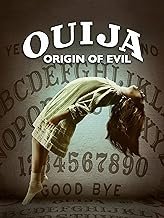
Ouija: Origin of Evil is a rare prequel that surpasses its predecessor, delivering a focused and genuinely unsettling supernatural story. Directed by Mike Flanagan, the film trades cheap jump scares for atmosphere, character, and a steadily building sense of dread.

Set in 1960s Los Angeles, the story follows a widowed mother and her two daughters who run a séance scam, only to encounter something far more real when a Ouija board enters their home. Elizabeth Reaser anchors the film with a grounded performance, while young Lulu Wilson delivers a standout turn that is both eerie and emotionally layered.

What makes the film effective is its restraint. Flanagan uses shadow, silence, and slow reveals to create tension, allowing the horror to unfold naturally. The 1960s setting is also well realized, adding texture without distracting from the central story.

Rather than relying solely on scares, the film explores themes of grief, deception, and vulnerability, giving the supernatural elements more weight. While it follows familiar possession tropes, it executes them with precision and care.

Smart, atmospheric, and surprisingly emotional, Ouija: Origin of Evil stands out as one of the stronger entries in modern supernatural horror.

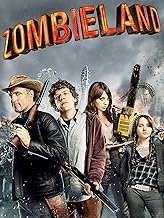
Zombieland is a sharp, energetic blend of horror and comedy that turns the zombie genre into something fast, funny, and unexpectedly heartfelt. Directed by Ruben Fleischer, the film follows a mismatched group of survivors navigating a post-apocalyptic America with equal parts caution and chaos.

At the center is Jesse Eisenberg as Columbus, whose neurotic “rules for survival” provide both structure and humor. His dynamic with the more reckless Tallahassee, played by Woody Harrelson, creates much of the film’s appeal. Harrelson in particular brings a wild, charismatic energy that balances the more cautious tone of his co-star.

What makes Zombieland stand out is its pacing and tone. It moves quickly, never lingering too long, while blending action sequences with comedic moments that feel natural rather than forced. The film also manages to inject a surprising amount of warmth into its story, exploring themes of trust, companionship, and found family amid the chaos.

Stylish, self-aware, and consistently entertaining, Zombieland delivers a fresh take on a familiar genre, making it both accessible and memorable.


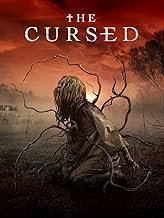
The Cursed is a dark, atmospheric horror that reimagines the werewolf myth through a gothic and historical lens. Written and directed by Sean Ellis, the film trades fast-paced scares for a slow, creeping sense of dread rooted in folklore and human cruelty.

Set in 19th-century rural France, the story follows a remote village plagued by violent attacks after a brutal act of oppression unleashes a supernatural curse. As a pathologist investigates, the film gradually reveals a deeper and more unsettling mythology tied to vengeance and transformation.

Visually, the film is striking. Ellis uses natural light, fog, and shadow to create a haunting, almost painterly aesthetic that enhances the film’s tension. The horror itself is often implied rather than shown, especially in the early stages, which adds to the sense of unease.

However, while the atmosphere and craftsmanship are impressive, the narrative can sometimes feel a bit uneven. Character development is limited, and the pacing occasionally drifts, making it harder to stay fully invested. Still, its commitment to mood and a fresh take on familiar mythology helps it stand out.

Bleak, stylish, and quietly disturbing, The Cursed is a thoughtful entry in modern gothic horror, even if it doesn’t always fully realize its potential.


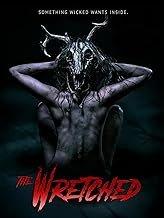
The Wretched is a slow-burning horror that blends folklore with a grounded, character-driven story. Directed by Brett Pierce and Drew T. Pierce, the film follows a troubled teenager who begins to suspect that something ancient and malevolent is preying on families in a quiet lakeside town.

What sets the film apart is its use of myth. Rather than relying on familiar horror tropes, it draws from darker,

lesser-known folklore, giving the threat a sense of unpredictability. The entity at the center of the story feels both elusive and deeply unsettling, often operating just out of sight, which heightens the tension.

The film also benefits from a strong central performance by John-Paul Howard, whose character anchors the narrative with a mix of vulnerability and determination. His growing isolation, both from his family and those around him, mirrors the creeping presence of the threat itself.

Visually, The Wretched uses its wooded setting effectively, with shadows, movement, and suggestion doing much of the work. While the pacing may feel uneven at times, the film maintains a consistent sense of unease.

Atmospheric and quietly disturbing, it offers a refreshing take on supernatural horror grounded in myth and mood.

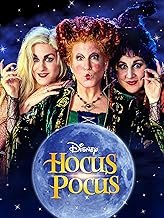
Hocus Pocus is a charming, playful Halloween classic that blends comedy, fantasy, and just enough spookiness to make it a seasonal favorite. Directed by Kenny Ortega, the film follows three resurrected witches who return to modern-day Salem on Halloween night, bringing mischief rather than true menace.

The film is driven by the energetic performances of Bette Midler, Sarah Jessica Parker, and Kathy Najimy, whose chemistry and comedic timing give the story much of its appeal. Midler, in particular, dominates the screen with a performance that is both theatrical and entertaining.

While the plot is simple, it moves at a steady pace, balancing humor with light supernatural elements. The tone never becomes too dark, making it accessible for younger audiences while still offering enough nostalgia and wit for adults.

What makes Hocus Pocus endure is its atmosphere. The autumn setting, Halloween imagery, and playful take on witchcraft create a warm, festive feel that captures the spirit of the season.

Lighthearted, memorable, and endlessly rewatchable, it remains a Halloween staple that prioritizes fun over fear.


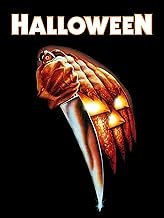
Halloween is a landmark horror film that redefined the slasher genre through simplicity, atmosphere, and relentless tension. Directed by John Carpenter, the film follows the seemingly unstoppable Michael Myers as he stalks a quiet suburban neighborhood on Halloween night.

What makes the film so effective is its restraint. Rather than relying on gore or elaborate effects, it builds fear through pacing, framing, and the suggestion of presence. Michael Myers, often seen standing silently in the background, becomes terrifying precisely because of how little he does. Jamie Lee Curtis delivers a strong performance as Laurie Strode, grounding the film with a sense of realism and vulnerability.

Carpenter’s iconic score plays a crucial role, its minimalist piano theme heightening tension and becoming inseparable from the film itself. The use of suburban settings—ordinary streets and homes—adds to the unease, making the horror feel uncomfortably close.

While the story is straightforward, its execution is precise, creating a sense of inevitability that drives the film forward. Halloween doesn’t overwhelm; it lingers, allowing fear to build naturally.

Elegant in its simplicity and enduring in its impact, it remains one of the most influential and effective horror films ever made.

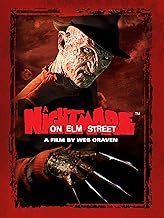
A Nightmare on Elm Street is a highly imaginative and unsettling horror that helped redefine the genre by blurring the line between dreams and reality. Directed by Wes Craven, the film introduces Freddy Krueger, a killer who attacks his victims in their sleep, turning something as universal as dreaming into a source of dread.

What makes the film stand out is its originality. Unlike traditional slashers, it operates in a space where logic doesn’t fully apply, allowing for surreal and often disturbing imagery. The concept itself creates constant tension, if you fall asleep, you’re vulnerable, making the threat feel inescapable. Robert Englund delivers an iconic performance as Freddy, combining menace with a dark, almost playful edge that makes the character unforgettable.

The film also benefits from a strong central performance by Heather Langenkamp, whose character provides emotional grounding amid the escalating nightmare.

While some effects reflect the era, they add to the film’s dreamlike quality rather than detract from it. Inventive, tense, and psychologically engaging, A Nightmare on Elm Street remains a standout horror that continues to influence the genre.