Boston Halloween Parties
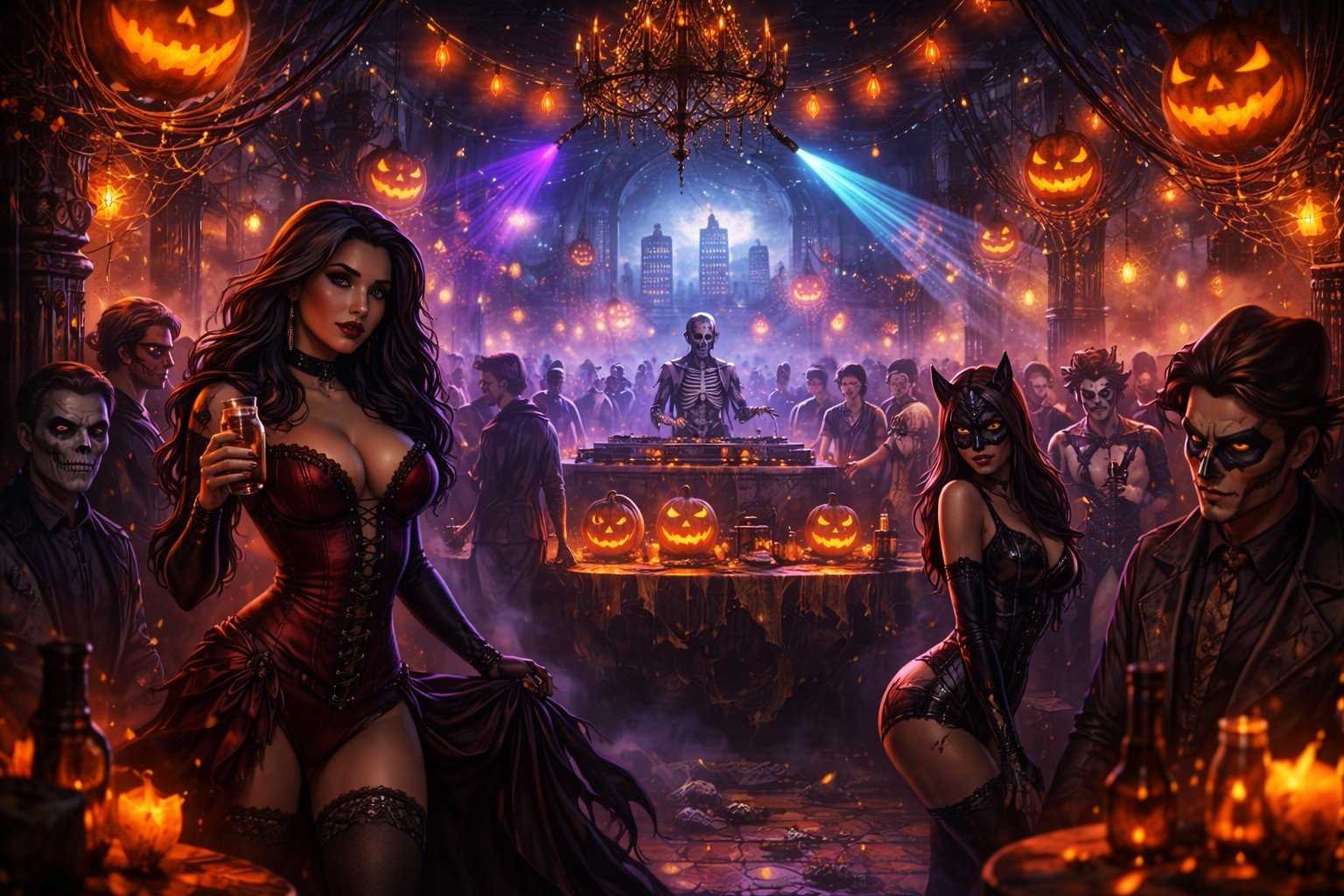 Throwing a memorable Halloween party for friends and family is less about elaborate spectacle and more about creating an atmosphere that feels immersive, playful, and just slightly
out of the ordinary. The most successful gatherings tend to blend planning with flexibility, giving guests a sense of structure whilst allowing the evening to evolve naturally and organically.
Throwing a memorable Halloween party for friends and family is less about elaborate spectacle and more about creating an atmosphere that feels immersive, playful, and just slightly
out of the ordinary. The most successful gatherings tend to blend planning with flexibility, giving guests a sense of structure whilst allowing the evening to evolve naturally and organically.
The starting point is always the theme. Whilst “Halloween” itself provides a broad framework, narrowing it slightly can help guide decisions around décor, food, music, and even guest expectations. Whether you lean toward classic haunted house aesthetics, a more elegant gothic feel, or something lighter and whimsical, consistency matters more than complexity. A clear tone makes everything feel intentional, even if the individual elements are simple.
Once the tone is set, focus on transforming the space. Lighting is perhaps the most powerful tool you have. Bright, overhead lights tend to flatten a room and remove any sense of mystery, so replacing them with softer, lower light sources immediately changes the mood. Candles (in places/spaces where they’re not going to be knocked over), string lights, and warm-toned lamps create shadows and depth, making the environment feel more dynamic. Decorations don’t need to be excessive; a few well-placed items such as pumpkins, textured fabrics, and subtle props, can be far more effective than covering every surface (especially with cheap plastic, novelty items). The goal is to suggest an atmosphere rather than overwhelm the senses.
Music also plays an equally important role in shaping the experience. Early in the evening, when guests are arriving and settling in, something ambient or lightly themed works best. As the night progresses, the energy can shift toward more upbeat or familiar tracks, encouraging movement and interaction. Think of the music as something that evolves with the party rather than remaining static i.e., it should support the flow of the evening, not dominate it.
Food and drink are central to how people experience the event, but they don’t need to be complicated. Halloween is one of the few occasions where presentation can carry as much weight as taste. Simple dishes can feel special with small thematic touches e.g., dark and orange colors, seasonal ingredients, or playful naming can transform basic foods into something that is seasonal etc. Finger foods and shared plates work particularly well, as they encourage guests to move around and interact rather than remain seated. Drinks can follow a similar approach, with one or two signature options that fit the theme, alongside more familiar choices to keep things accessible.
A well-structured party also benefits from a few focal points such as activities or moments that bring people together. This doesn’t mean you need to engage in rigid scheduling but rather create opportunities that lead to shared engagement. A costume element, for example, naturally invites conversation and interaction, whether through a casual showcase or a lighthearted competition. Games can also work well, particularly those that encourage group participation without putting too much pressure on individuals. The key is to provide options, not obligations, allowing guests to engage at their own comfort level.
Equally important is how the space is arranged. A good party environment has natural areas for different types of interaction. Some guests will want to gather and talk, others will gravitate toward music or activity, and some will prefer quieter corners. By creating a few distinct zones, without explicitly labeling them, you allow the evening to flow more organically. This also helps prevent the space from feeling crowded or one-dimensional.
Timing and pacing are often overlooked but can make a significant difference. The early part of the evening should feel welcoming and unhurried, giving guests time to arrive, settle in, and reconnect. As more people gather, the energy can gradually build, supported by changes in music, lighting, or activity. Later in the night, the atmosphere often becomes more relaxed again, with smaller conversations and a more intimate feel. Allowing this natural rise and fall creates a sense of rhythm that keeps the party engaging from start to finish.
One of the most effective ways to elevate a Halloween party is through small, unexpected details. These don’t need to be elaborate or expensive in fact often, it’s the subtle touches that people remember. A themed welcome drink, a carefully chosen scent, or a moment where the lighting shifts can all contribute to the overall experience. These elements create a sense that the evening has been thoughtfully put together, even if guests can’t immediately identify why they feel different.
At its core, a successful Halloween party is about connection. The decorations, music, and food all serve a larger purpose: bringing people together in a setting that encourages interaction and shared experience. Halloween, with its built-in sense of play and transformation, naturally lowers barriers and allows people to engage more freely. By focusing on atmosphere, flow, and thoughtful details, you create an environment where guests feel comfortable, engaged, and part of something memorable.
In the end, the most important element is not perfection, but intention. A well-planned Halloween party doesn’t need to be flawless, it simply needs to feel cohesive and welcoming. When the environment supports conversation, laughter, and a sense of occasion, the rest tends to take care of itself, leaving both you and your guests with an experience that lingers long after the night has ended.